Insights

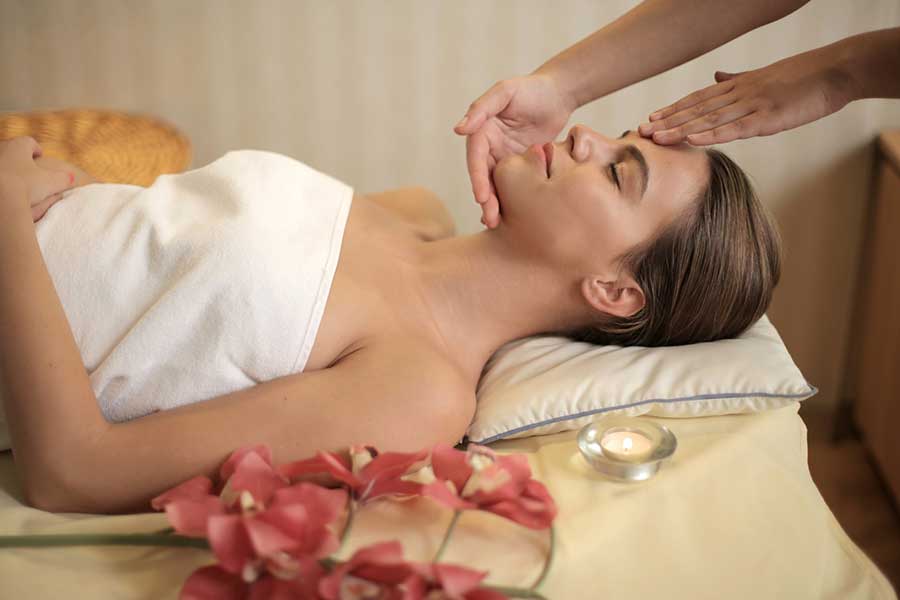

You probably feel that sharp tug in your neck after sitting at your desk for several hours today. Chronic tension often settles in your shoulders because of poor posture or high stress from a busy work week. That is when most people choose to seek relief from a massage facility.
There are several types of massages, but a deep tissue massage is among the best to address the stubborn knots in your neck and shoulders. When the stiffness just won’t go, this massage technique offers maximum relaxation. It focuses on the inner layers of your muscles and releases the pressure to restore movement. Read on to find out how this deep tissue massage therapy works to help you manage your physical health and comfort.
Unlike standard relaxation treatments, this method targets the sub-layer of musculature and the surrounding connective tissues or fascia. Your therapist applies slow, deliberate strokes to reach the underlying structures where most of your chronic pain originates.
This process is highly effective for individuals who experience constant tightness from repetitive motions or intense athletic training. You will notice that the pressure is much more intense than what you experience during a Swedish session. This intensity is necessary to physically break down the rigid bands of tissue that restrict your natural range.
Chronic tension in your neck or shoulder muscles often create bands of rigid tissues, that are known as adhesions. These adhesions block the blood circulation while limiting your natural movement. It also causes inflammation that traps the nerves in your neck. This leads to that familiar tingling sensation.
By applying consistent pressure, your therapist physically breaks these bands apart to restore the proper function of your muscles. You will notice that your shoulders drop away from your ears as these internal blockages finally begin to dissolve. This process encourages your body to start the natural healing cycle by flushing out the built-up metabolic waste.
When your muscles stay tight for weeks, they restrict the flow of oxygen-rich blood to your neck and head. Oxygen starvation in these tissues causes them to become even stiffer and more prone to painful spasms and cramps. A focused session opens up these pathways so that fresh blood can nourish your tired and overworked muscle fibres.
You feel a warm sensation as your circulation improves and your body temperature rises during the manual therapy session. Proper blood flow also helps your lymphatic system remove the toxins that contribute to your feelings of sluggishness.
Your shoulders carry the weight of your stress and the physical burden of your daily posture and repetitive tasks. Most people subconsciously hunch forward while looking at their phones or typing on a laptop for several hours straight.
Finding the best spa massage in Abu Dhabi involves seeking out practitioners who understand the anatomical structure of your back. Connecting with professional massage facilities is a wise choice as their expert therapists understand the particular trigger points in the trapezius muscles. These muscles cause pain to slowly radiate toward your skull. Deep tissue massage works through these sensitive spots to release the tension on your physical frame and posture.
Poor posture is among the most common reasons for neck and shoulder pain. It pulls the spine out of its natural curve while forcing the neck muscles to work much harder. Your head weighs several kilograms, and leaning it forward puts immense strain on the small muscles at the base. Deep manual therapy stretches these shortened muscles so your skeleton can return to a more neutral and healthy position.
You might find that you stand taller and breathe more deeply once your chest and shoulders are finally open. This structural change prevents the pain from returning immediately after you leave the treatment room and resume your day.
While the primary goal involves physical relief, you cannot ignore the massive impact on your mental and emotional state. Physical pain creates a constant background noise in your brain that makes focusing on complex tasks quite difficult. As the deep tissue massage releases the physical grip on your body, your nervous system begins to calm down. You likely feel a sense of mental clarity once the nagging ache in your neck stops demanding your attention. This shift from a state of fight-or-flight to rest-and-digest is a key part of the recovery process.
Chronic pain keeps your cortisol levels high, which leads to poor sleep and increased irritability during your work day. Manual therapy sessions lower these stress hormones while boosting the production of serotonin and oxytocin in your brain. You will likely sleep much better the night after your treatment because your body is no longer fighting itself. Improved sleep quality gives your muscles the time they need to repair and stay soft for longer periods. This cycle of rest and recovery is what ultimately breaks the pattern of chronic shoulder and neck pain.
You should prepare your mind and body before arriving for a high-pressure treatment to get the most benefit. Keep your tissues hydrated by drinking plenty of water. This makes it easier for the therapist to manipulate effectively.
You should communicate clearly with your practitioner about the exact locations where you feel the most intense pain today. A good therapist will adjust their technique to match your specific needs while still providing an effective treatment.
Finding the best spa massage in Abu Dhabi means choosing a location that prioritises your comfort and individual health goals. You should wear loose clothing and arrive early so you can relax before the session actually begins.
It is better not to eat a heavy meal right before your massage appointment. It lets your body focus on the muscle work. Always let the massage expert know about your medical history to ensure that the chosen method is safe as well as appropriate. It will set the foundation for a successful experience and you will leave the facility feeling refreshed and flexible.
Orchid Spa Massage provides professional treatments that help you manage the physical demands of a busy professional lifestyle. You can book your next session by visiting the website today.
The author is a wellness consultant with years of experience in therapeutic bodywork and holistic health practices. The expert aims to help you understand the physiological changes that occur during deep tissue treatments through this post. It will also empower you with knowledge regarding the management of neck and shoulder pain.
How many sessions do I need for chronic neck pain?
You will likely notice improvements after one session, but chronic issues often require a series of treatments. Most clients find that weekly or bi-weekly appointments help maintain their mobility and prevent the return of deep-seated muscle knots and stiffness.
Will I feel sore after my deep tissue treatment?
It is normal to experience some muscle tenderness for a day or two after a very firm session. This sensation is similar to how you feel after a heavy workout at the gym as muscles recover. Drinking water helps reduce this.
Can I focus only on my shoulders?
Yes, you can request that your therapist spends the entire duration of your appointment on your upper back. This allows for a much more thorough exploration of the specific muscle groups that are causing your discomfort and limited range.
Is deep tissue better than a Swedish massage?
The choice depends entirely on your specific goals for the day and your personal tolerance for physical pressure. While Swedish is great for general relaxation, deep tissue is far superior for correcting chronic pain and resolving actual muscle damage.
What should I wear to my appointment?
Most people choose to undress to their comfort level to allow the therapist direct access to the skin. You will always be professionally draped with a sheet or towel so that only the area being worked on is ever exposed.
Can this therapy help with my tension headaches?
Many headaches are caused by tight muscles in the neck pulling on the base of your heavy skull. By relaxing these specific areas, you often find that the frequency and intensity of your headaches diminish quite rapidly after your sessions.