Insights
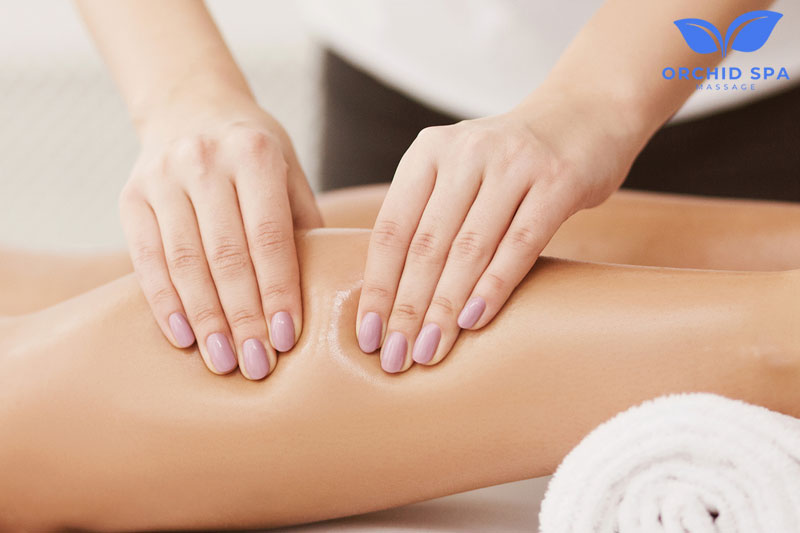
If you train hard, lift weights, run on weekends or sit at a desk all day, your muscles probably hold some tightness. A deep tissue sports massage uses firm pressure to reach the deeper layers of muscle and the connective tissue around them.
It sounds intense, but a good therapist keeps the pressure firm and comfortable, and you can ask for changes at any moment. In this guide, you will know what the treatment involves, how it works and who benefits most.
The Basics of the Treatment
Before you book, it helps to see where this treatment fits among other massage styles. The next parts cover the main idea, the difference from relaxation massage and the reason active people like it.
A Simple Definition
This style blends the focused pressure of deep tissue massage with the goals of sports massage, such as faster recovery and easier movement. Therapists concentrate on the muscles you use most, including the legs, back, shoulders and hips.
Sessions move more slowly than a relaxation massage. This is because the therapist needs time to ease into each layer of muscle. You stay in control of the pressure throughout.
How It Differs From Relaxation Massage
A relaxation massage uses light to medium strokes to calm the whole body. Here are the main differences.
Why Active People Choose It
Runners, gym-goers, cyclists and players often book this treatment between training blocks. They like how it helps their muscles feel ready for the next session. The biggest draw is the sense of looseness people feel afterwards.
How the Treatment Works
The method makes more sense once you see what the therapist does with their hands. Let’s look at the main steps.
Common Techniques
Therapists choose from several techniques depending on your goals and the areas that need attention. Most sessions combine a few of these:
What Happens Inside the Muscle
Firm pressure stimulates blood flow to the area. Therapists loosen adhesions too, which are sticky bands where muscle fibres and the surrounding fascia bind together.
Research suggests that massage can ease muscle tiredness after exercise, although scientists continue to study exactly how this works. Many athletes notice that their muscles feel freer and ready to move.
A Typical Session
Most sessions run for 60 to 90 minutes. Your therapist starts with a short chat about your goals, training habits and health history, then works on one area at a time. You can ask for more or less pressure at any time.
Key Benefits
Regular sessions can support your body in several ways, and the three below come up most often among active people.
Faster Muscle Recovery
Training leaves muscles tired, and firm massage can ease that tiredness so you bounce back sooner. Some studies on exercise recovery point to lower muscle tiredness in the days after hard sessions when people receive massage.
Better Flexibility and Movement
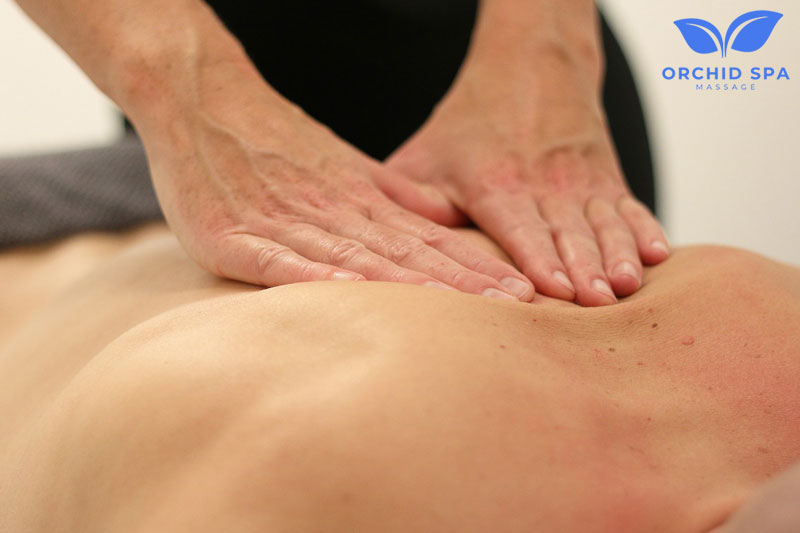
Loosened muscles and softened fascia often give you a greater range of movement at the hips, shoulders and back. Many people find that squats, strides and overhead reaches feel smoother after a few sessions.
A Calmer Mind
Slow pressure and a quiet room help your body switch from alert mode to rest mode. Other gains people mention include the following.
Who Gains the Most
The treatment suits many lifestyles, though some groups tend to notice the biggest difference.
Athletes and Gym-goers
Heavy training asks the same muscles to work again and again. A deep tissue sports massage gives those muscles focused attention. It helps many athletes keep a steady training rhythm through the week.
Desk Workers
Long hours at a screen leave the neck, shoulders and lower back tight. Firm pressure on these areas helps release the tension that builds up in a seated position. Moreover, many office workers feel taller afterwards.
Busy Parents and Weekend Movers
Parents who lift children, shoppers who carry heavy bags and weekend footballers all use their muscles in ways that benefit from regular care. A session gives these muscles time to settle and reset.
Share your full health history with the therapist before you start. Speak to your doctor first if you take blood-thinning medication or live with a heart condition, a bone condition or recent surgery.
Preparing and Aftercare
A little planning before and after your session helps your body make the most of the treatment. These steps are simple and take only a few minutes.
Before You Arrive
During the Session
Breathe slowly, relax your muscles and tell the therapist how the pressure feels. Firm pressure should feel like a deep, satisfying squeeze rather than a sharp sensation.
Clear feedback helps the therapist adjust each stroke to suit your body, and good therapists welcome it.
After the Session
Drink plenty of water, take a warm shower and give yourself a calm evening. Some people feel pleasantly heavy or tired for a day, and rest usually settles that feeling.
Light movement such as a short walk keeps your body comfortable while the muscles settle.
Choosing a Spa in Abu Dhabi
A good spa makes a big difference to your results so a few simple checks can guide your decision.
Look at Therapist Training
When you search for the best spa in Abu Dhabi, start by asking about therapist qualifications and experience with muscle-focused work. Skilled therapists read your muscles with their hands and adjust pressure as they go.
Talk Before You Book
A short call or message lets you share your goals and ask about session length and pressure levels. Good spas welcome these questions and answer them clearly, which tells you a lot about their care.
Final Thoughts
Sports massage with deep tissue pressure gives active people a practical way to look after their muscles. Take the time to find the best spa in Abu Dhabi for your needs. You can move with more freedom with a little planning.
Book a deep tissue massage at Orchid Spa Massage. At Orchid Spa Massage, you will get experienced therapists, a calm luxury setting and a holistic approach to support your muscle recovery. Message us on WhatsApp or visit our Baniyas Tower spa on Corniche Street in Abu Dhabi to plan your session today.
Author Bio
The author writes about wellness, massage and self-care for readers across Abu Dhabi. The blog explains treatments in plain language and shares ideas for planning. The aim is to ensure you can match a session to your schedule, preferences and goals. A holistic view of wellbeing, covering body and mind, shapes every piece you read.