Insights
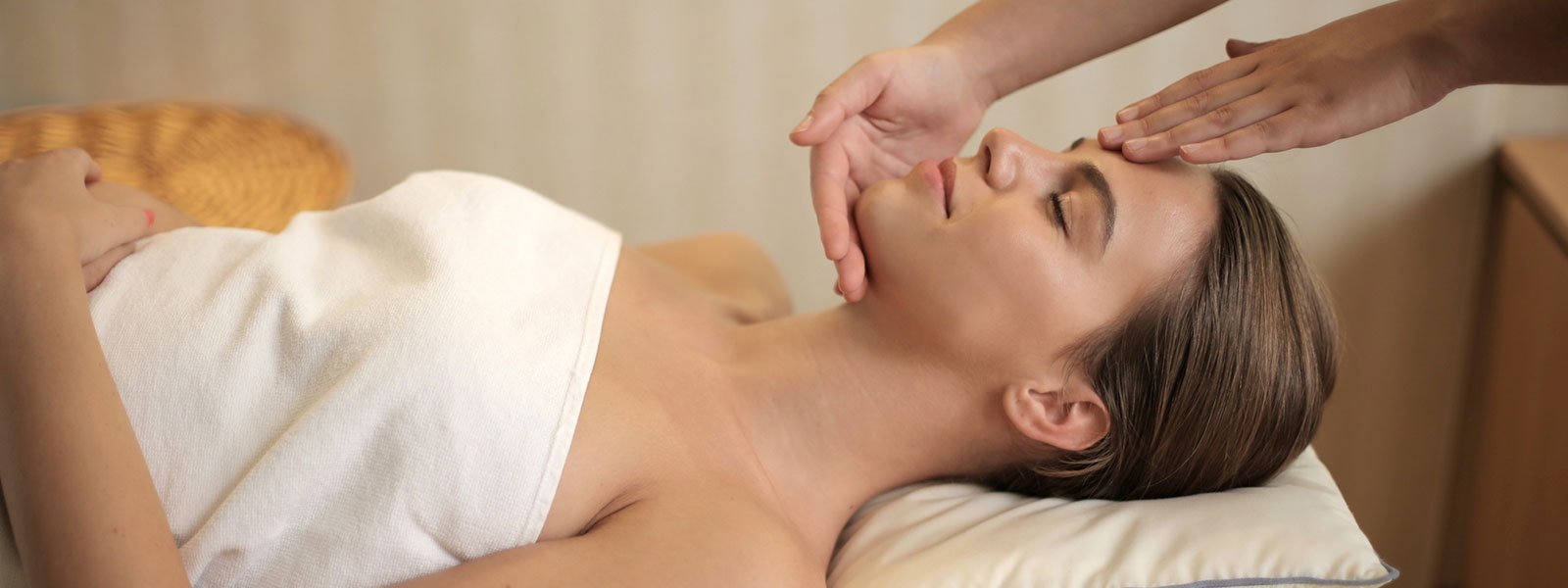
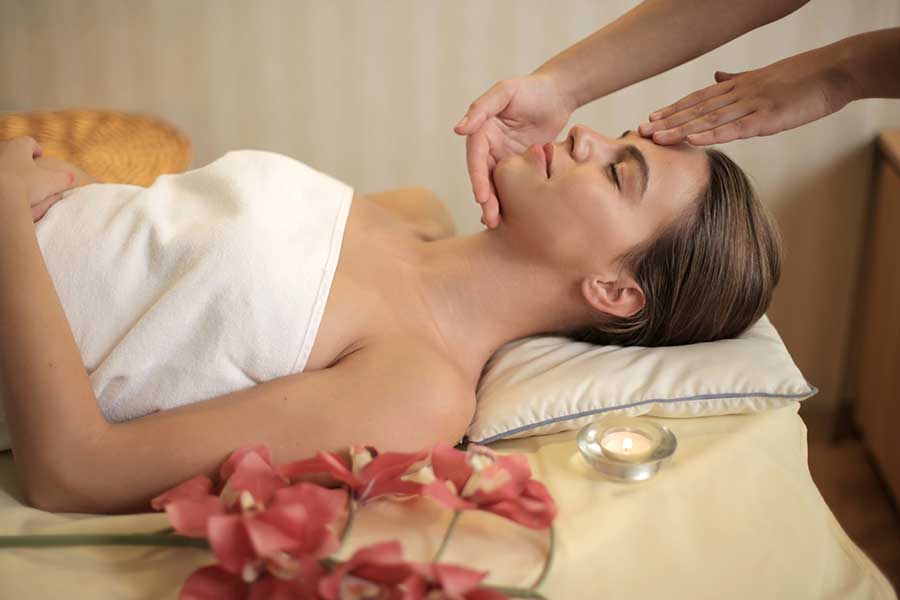
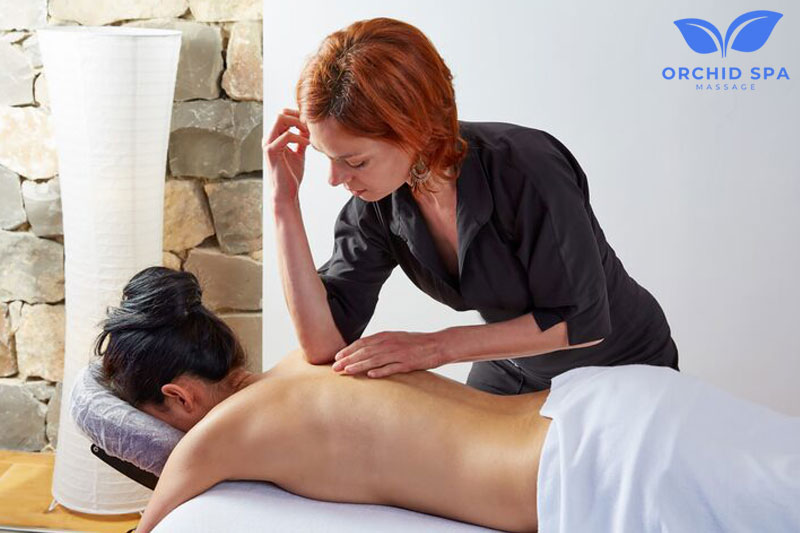
If you are weighing up Thai massage Abu Dhabi against a classic oil session, this guide saves you the guesswork. Thai massage uses assisted stretching and firm pressure to loosen the whole body. Regular massage uses oil and flowing strokes to relax the muscles. That is the short answer. The details decide which one suits you.
Plenty of people book a session without knowing what to expect. Some arrive expecting a gentle rub and end up moving into yoga-style positions. Others plan on a stretch and receive a slow oil massage instead. This guide explains both types in plain terms.
What Is Thai Massage?
Thai massage is a traditional healing method from Southeast Asia. The therapist guides your body through a series of stretches and applies pressure with thumbs and palms.
The method treats the body as one connected system. Rather than working on a single sore spot the therapist moves through the whole frame. Hips open while shoulders loosen. Your spine gets gentle movement too.
Traditional teaching speaks of energy pathways that run through the body. When these feel blocked you may notice tiredness or low mood. Steady pressure and movement aim to clear them so the body can find its balance again.
What Is Regular Massage?
Regular massage usually means an oil-based session on a treatment table. You lie down and the therapist glides and kneads the muscles with long strokes. Most people picture this when they think of a spa visit.
The focus stays on soft tissue. Oil keeps each stroke smooth and the room often carries calming scents. You rest still throughout (the therapist does all the work).
Key Differences at a Glance
Here are the key differences at a glance:
| Feature | Thai Massage | Regular Massage |
| Technique | Assisted stretching with thumb and palm pressure | Gliding and kneading strokes |
| Your role | Active (the therapist moves your limbs) | Passive (you stay still) |
| Clothing | Comfortable loose clothing | Bare skin with a towel for coverage |
| Oil | Not central to the method | Central to the method |
| Focus | Whole body mobility and energy flow | Soft tissue and relaxation |
| Feel | Energising with a stretch | Calm and soothing |
How the Techniques Differ
In Thai massage, the therapist moves you. Your legs may be lifted and folded as your hips open. The therapist then leans in with palms and thumbs to release tight areas in the lower back and shoulders.
Regular massage keeps you still. The therapist glides over the skin with oil and works into the muscles using slow, repeated strokes. Pressure can range from light to firm.
One method asks your joints to move. The other asks your muscles to rest. That single contrast shapes everything else about the session.
Does Thai Massage Use Oil?
Traditional Thai massage relies on stretching and pressure rather than oil. The therapist works with palms and thumbs over comfortable clothing.
That is why loose trousers and a soft shirt work well. You need no special gear. Regular massage is different. Oil goes on the skin so most people undress to their comfort level and a towel covers the areas not being worked on. Staying clothed makes Thai massage an easy first step for anyone who feels unsure about undressing.
What a Session Feels Like
A Thai session often starts with a quick chat:
Many people drift into near sleep. That rarely happens during a Thai session since you are moving.
Benefits Thai Massage Offers
Thai massage suits people who feel rigid. Long hours at a desk leave the neck and shoulders tight. Assisted stretches open the hips and bring back flexibility.
Thumb and palm pressure reaches the lower back and shoulders where daily strain tends to settle. It suits anyone who struggles to hold good posture.
Movement paired with pressure helps your blood carry oxygen to every muscle group. Stamina and mood often lift after a session. With regular visits, stress levels drop while sleep quality improves.
Who Should Try Thai Massage?
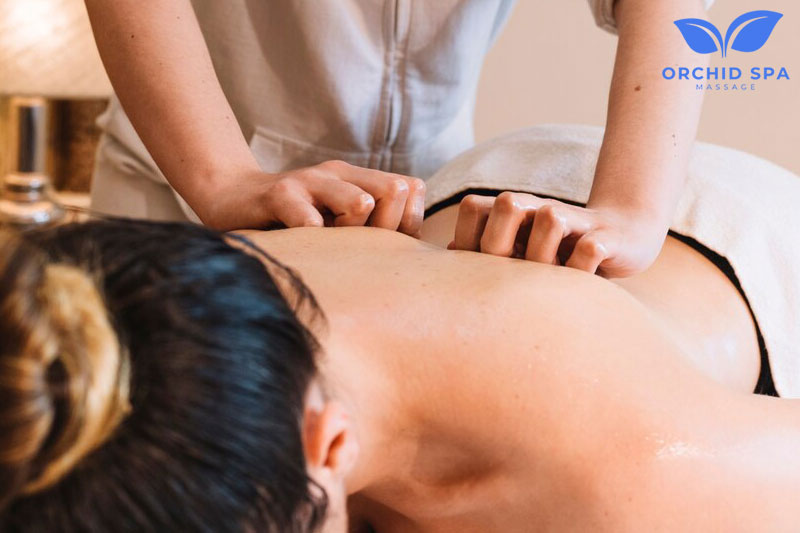
Here are the types of people who are fit for Thai massage:
The therapist will start your session as per your needs.
Is Thai Massage Intense?
Deep stretches can feel strong in places. That is normal. The therapist adjusts the pressure to suit you and you can ask for more or less at any point during the session.
Speak up early. A quick note about tight areas or comfort limits helps the therapist tailor the session to you.
When Regular Massage Suits You
Some days call for stillness. If you want slow relaxation without any movement, an oil-based massage fits the mood better.
It suits first-time spa guests (there is nothing to learn or follow). Lie back and let the session unfold.
For focused pressure on tight muscles many people choose Deep Tissue Massage. For an all-round treatment, a Full Body Massage and Spa session covers every area.
Which Massage Should You Choose?
Match the treatment to the result you want from the visit.
Whichever you pick, the goal is the same. You want to walk out feeling lighter. One of the best massage and spa experiences begins with matching the style to your mood on the day.
Visiting once every two weeks suits most people who want to keep flexibility high and stress low. Consistent sessions bring the strongest long-term benefits. Spacing visits further apart works too if you simply want a reset.
Wear something loose and comfortable. Stretching needs room to move, so tight or stiff fabric gets in the way. If Thai massage Abu Dhabi is your next step, then Orchid Spa Massage is ready to welcome you at Baniyas Tower on Corniche Street. Trained therapists work to high standards of hygiene and care in a calm room with soft lighting and soothing scents.
Orchid Spa Massage is one of the best massage and spa choices in Abu Dhabi for guests who want Thai and oil-based treatments under one roof. Every visit begins with a calm room and a team that listens.
The therapists at Orchid Spa Massage bring years of local knowledge to each session and work to high standards of hygiene and care. Guests looking for Thai massage Abu Dhabi can book them.
Author Bio
This content is written by the Orchid Spa Massage author. The writer covers massage styles and spa treatments for guests in Abu Dhabi. The goal is simple: to give readers clear as well as honest information before they choose any type of treatment from the company.